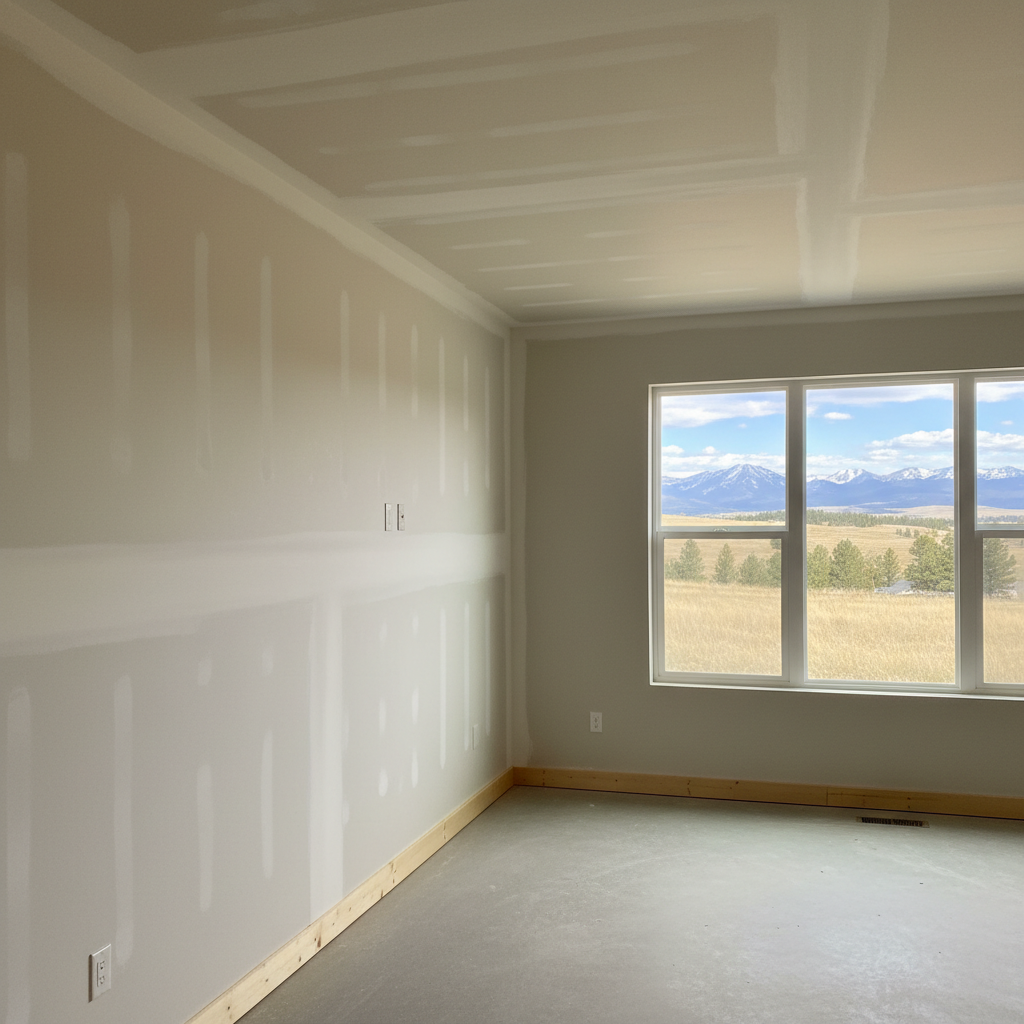
Don't Get Burned: How to Hire a Drywall Contractor in Billings
Hiring someone to work on your home can be a real headache if you don't know what you're doing. Especially with drywall, you want it done right the first time. I've been doing this for a long time here in Billings, and I've seen it all – good work, bad work, and folks who just disappear with your money. So, let's talk about how you can protect yourself and get a solid drywall job.
What to Ask Potential Contractors
When you're talking to someone about a drywall project, you've got to ask the right questions. Don't be shy; it's your house and your money. Here's what I'd hit them with:
Are you licensed and insured? This is non-negotiable. If they can't show you current proof of both, walk away. Period. A legitimate contractor will have general liability insurance to cover accidents and workers' comp if they have employees. You don't want to be on the hook if someone gets hurt on your property.
How long have you been doing drywall work specifically? Some guys are general handymen who dabble in drywall. You want someone who specializes in it, or at least has extensive experience. Drywall isn't just hanging sheets; it's taping, mudding, sanding – it's an art to get it smooth.
Can you provide references? Ask for at least three recent customers you can call. And actually call them! Ask about their experience, if the job was on time and on budget, and if they'd hire them again.
What's your process for dust control? Drywall work is messy. A good contractor will have a plan for minimizing dust and protecting your belongings. We use plastic sheeting, floor coverings, and even air scrubbers on bigger jobs at Billings Drywall Company. If they shrug and say, "It'll be dusty," that's a red flag.
Who will actually be doing the work? Is it them, their employees, or subcontractors? If it's subs, you want to make sure those subs are also licensed and insured. Don't assume.
What kind of warranty or guarantee do you offer on your work? A reputable contractor will stand behind their work. Ask what happens if cracks appear or seams show up a few months down the road.
What to Look for in a Quote
Don't just pick the cheapest bid. That's a rookie mistake. A good quote isn't just a number; it's detailed. Here's what you should expect:
Itemized breakdown: It should clearly list materials (type of drywall, mud, tape, corner bead, etc.) and labor costs separately. You want to see how they got to that final number.
Scope of work: This needs to be crystal clear. What areas are being drywalled? Will they remove old drywall? Will they prime the finished surface? What about cleanup? The more specific, the better.
Payment schedule: A small deposit upfront (10-20%) is common, especially for materials. But never pay the full amount upfront. Reputable contractors typically ask for progress payments as work is completed, with the final payment due only when you're 100% satisfied.
Timeline: When will they start? When do they expect to finish? Delays happen, especially with weather here in Montana, but they should give you a reasonable estimate.
Exclusions: What's NOT included? This is just as important as what is. For instance, does the quote include painting, or just the drywall finish?
Red Flags You Can't Ignore
Some things should make you hit the brakes immediately:
Cash-only deals: This is a huge red flag. It often means they're trying to avoid taxes, and if they're cutting corners there, where else are they cutting them?
No contract: Get everything in writing. A handshake deal isn't worth much when things go south.
High-pressure sales tactics: "This price is only good today!" or "I've got another job starting tomorrow, so you need to decide now." Don't fall for it. A good contractor will give you time to think.
Asking for a large upfront payment: More than 25-30% upfront, especially without materials already on site, is risky business.
No online presence or reviews: In this day and age, even small local businesses usually have a website or at least a Google Business profile with some reviews. A complete lack of an online footprint can be suspicious.
They show up in an unmarked vehicle with no business cards: Professionalism matters. It shows they take their business seriously.
Verifying Legitimacy
You've got a few ways to check if a contractor is on the up and up:
Check with the Montana Department of Labor & Industry: You can often verify contractor licenses and insurance status through state licensing boards. It's public information.
Better Business Bureau (BBB): See if they're accredited and check their rating and any complaints. While not perfect, it's another data point.
Online reviews: Google, Yelp, Facebook – read through them. Look for patterns, both good and bad. Don't just focus on the five-star reviews; see how they respond to criticism.
Ask for their physical business address: A P.O. Box is okay, but a real street address adds another layer of credibility. Some of these fly-by-night operations just work out of their truck.
Look, getting good drywall work done, whether it's for a new build in the Heights or repairing water damage in an older home down in South Park, makes a huge difference in your home's finish. Take your time, ask the tough questions, and trust your gut. You'll be glad you did.