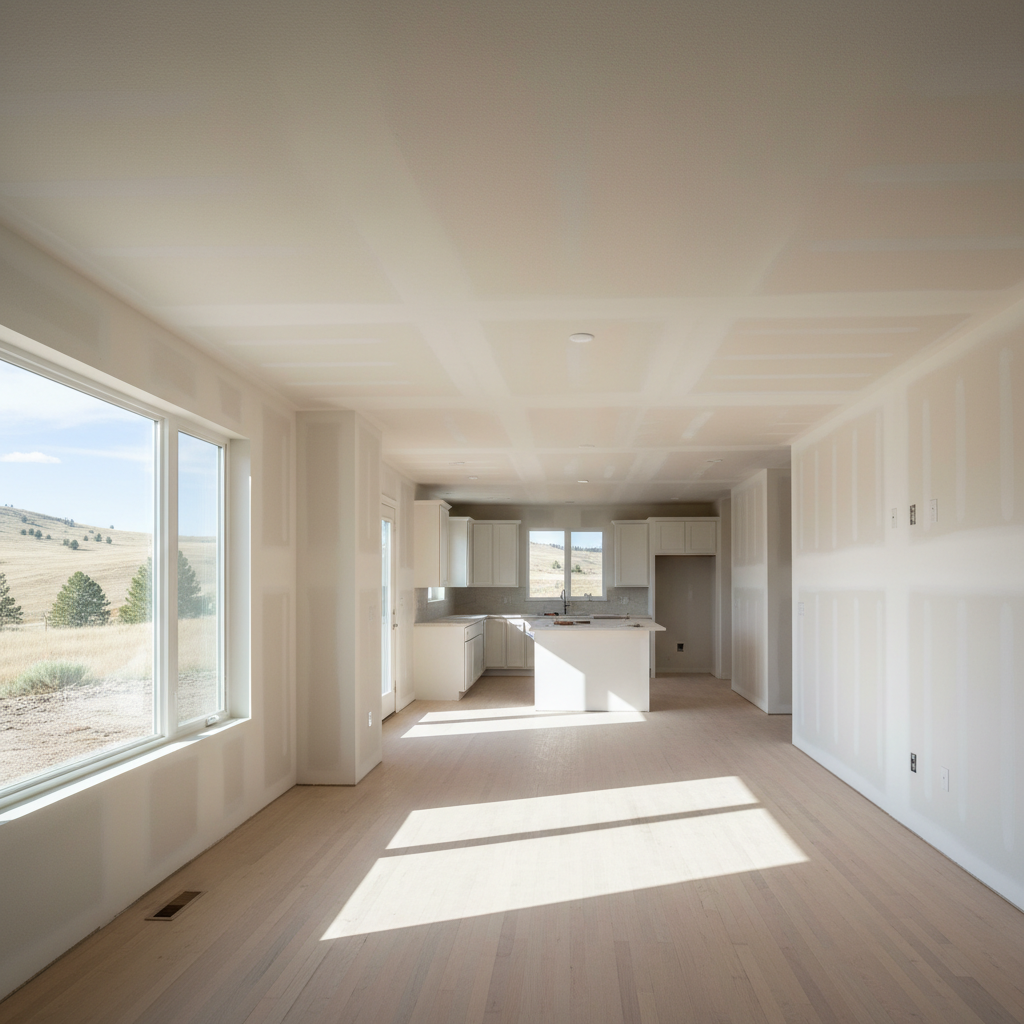
So, you're looking at your walls and thinking it's time for a change, maybe some fresh texture to really make a room pop. Good call. Drywall texturing isn't just about making things look good; it adds character and can cover up those minor imperfections that paint alone just can't hide. But before you jump in, you need a plan. Here's what I tell folks right here in Billings about getting their texturing project done right.
Your Drywall Texturing Timeline: What to Expect
Let's talk timing. A lot of homeowners ask me how long this whole thing takes. It's definitely not an overnight job, that's for sure. For an average room, say a living room or a couple of bedrooms, you're usually looking at a few days—maybe a week—from start to finish. This isn't just about spraying or troweling on some mud; there are crucial steps involved, and rushing them is a bad idea.
- Prep Work (Day 1): This is where we protect everything. And I mean *everything*. We're talking extensive masking, covering floors, windows, doors, and any built-in fixtures. This takes time, but it's non-negotiable if you don't want texture where it doesn't belong.
- Applying Texture (Day 1-2): Depending on the texture type – whether it's a simple knockdown, orange peel, or something more intricate like skip trowel – this part can be quick or it can be a bit more involved. We get the compound on, then shape it.
- Drying Time (Day 2-3+): This is the big one, and people often underestimate it. The texture compound needs to dry completely before it gets primed and painted. In Billings, especially during the colder, drier months, this might go faster. But if it's humid, it could take longer. You absolutely can't rush this, or you'll have problems later.
- Priming and Painting (Day 3-5+): Once the texture is bone dry, it gets primed. This seals the texture and gives us a nice, uniform surface for the paint. Then comes the paint. Sometimes, people just hire us for the texture and handle the painting themselves, which is totally fine, but remember to factor that into your overall project timeline.
So, when you're planning, don't just think about the application. Think about the drying, the priming, and the painting. It all adds up.
What Happens During the Process?
Okay, so you've got a crew coming in. What's it going to look like? First off, it's going to be messy. We do our best to contain it, but drywall mud and texture compound can get everywhere if you're not careful. That's why the prep work is so important. We'll be laying down drop cloths, taping off edges, and covering furniture. If you can, move smaller items out of the room completely.
You'll hear air compressors if we're spraying texture, or the scraping sound of trowels if it's a hand-applied finish. There will be dust, especially during any sanding phases, though with texturing, it's often less than a full drywall install. The air might get a bit thick with the smell of wet compound. It's all part of the process. We work efficiently, but we don't cut corners. You'll see us checking our work, making sure the texture is consistent and looks right.
How to Prepare Your Home for Texturing
Preparation on your end makes a huge difference. It helps us work faster and keeps your stuff safer. Here’s what I recommend:
- Clear the Room: This is number one. Remove all furniture, wall hangings, curtains, and anything else you don't want covered in plastic or texture. If you can't move large items, push them to the center of the room and cover them with old sheets or plastic.
- Remove Outlet/Switch Plates: Take off all electrical outlet covers and light switch plates. We'll tape off the actual outlets and switches, but the plates need to be gone.
- Secure Pets and Kids: This is a construction zone for a few days. Keep pets and small children out of the work area. The materials aren't great to breathe in, and there will be tools and ladders around.
- Ventilation: If we're spraying, we'll often open windows or use fans to help with air circulation. If you're comfortable with it, having some windows cracked can help with drying and air quality.
- Communicate: If you have specific concerns or areas you want us to pay extra attention to, tell us upfront. We're here to help.
Questions to Ask Before You Sign
Before you commit to a contractor, ask some smart questions. Don't be shy; it's your home and your money.
- What specific texture are you recommending, and can I see samples? Don't just agree to ---